“DO NOT sign a contract until you have carefully read and understood every word of it.”
— Office of the Attorney General of Texas, “How to Avoid Home Improvement Scams”
Clearly labeled composite scenario
This fictionalized educational scenario is based on publicly available Texas consumer guidance. It does not accuse or describe an identifiable contractor, homeowner, company, or incident.
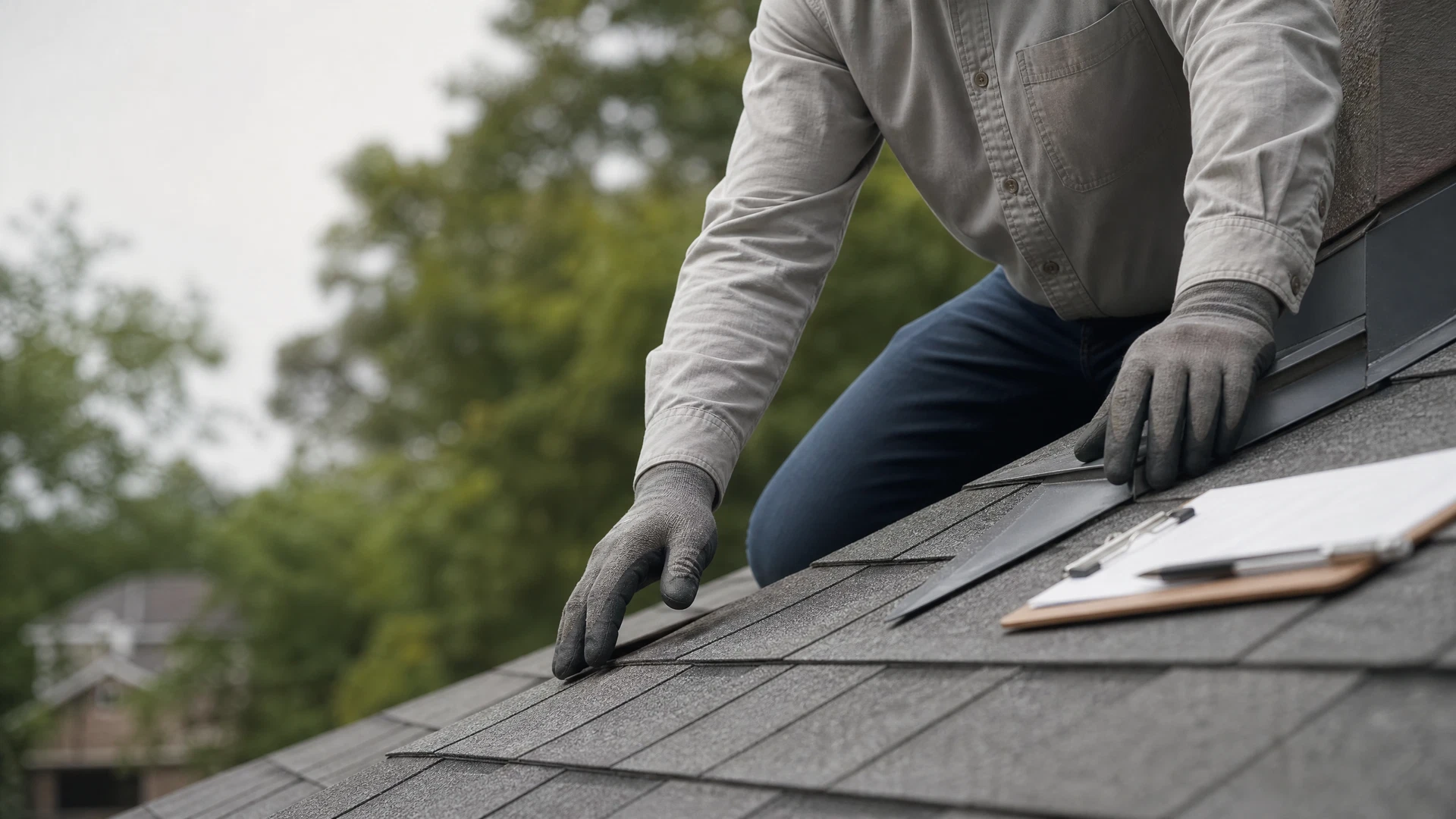
In the scenario, a homeowner is approached after a storm by a salesperson who says a simple roof inspection form must be signed immediately. The document includes pages the homeowner does not understand and language about the property. The salesperson says a notary can be handled later and insists the paperwork is routine.
The homeowner pauses instead of signing. They ask for a complete copy, obtain another bid, and seek advice about the unfamiliar terms. That pause makes it possible to understand whether the document is a contract, whether it creates obligations, and whether it involves a potential lien. The educational point is simple: a rushed signature can create consequences that cannot be evaluated from a doorstep explanation.
Why lien language deserves attention
The Texas Attorney General explains that a home-improvement contract for a homestead must include an important warning about ownership rights and that lien documentation has formal requirements. The office also advises homeowners not to sign contracts with blanks or before they understand every word. This resource does not offer legal advice; it encourages homeowners to pause and obtain qualified help when documents affect a home.
A document-first checklist
Keep copies of every page at the time of signing. Verify the company address, insurance, scope, price, payment milestones, and change-order process. Do not sign incomplete paperwork or accept pressure to move faster than you can read. If a claim is involved, communicate with the insurer directly and retain all records.
Sources and further reading
Original sources are provided so you can review the complete guidance in context.
Next step
Ready to discuss a new roof?
Share the property basics and timing in a secure inquiry.