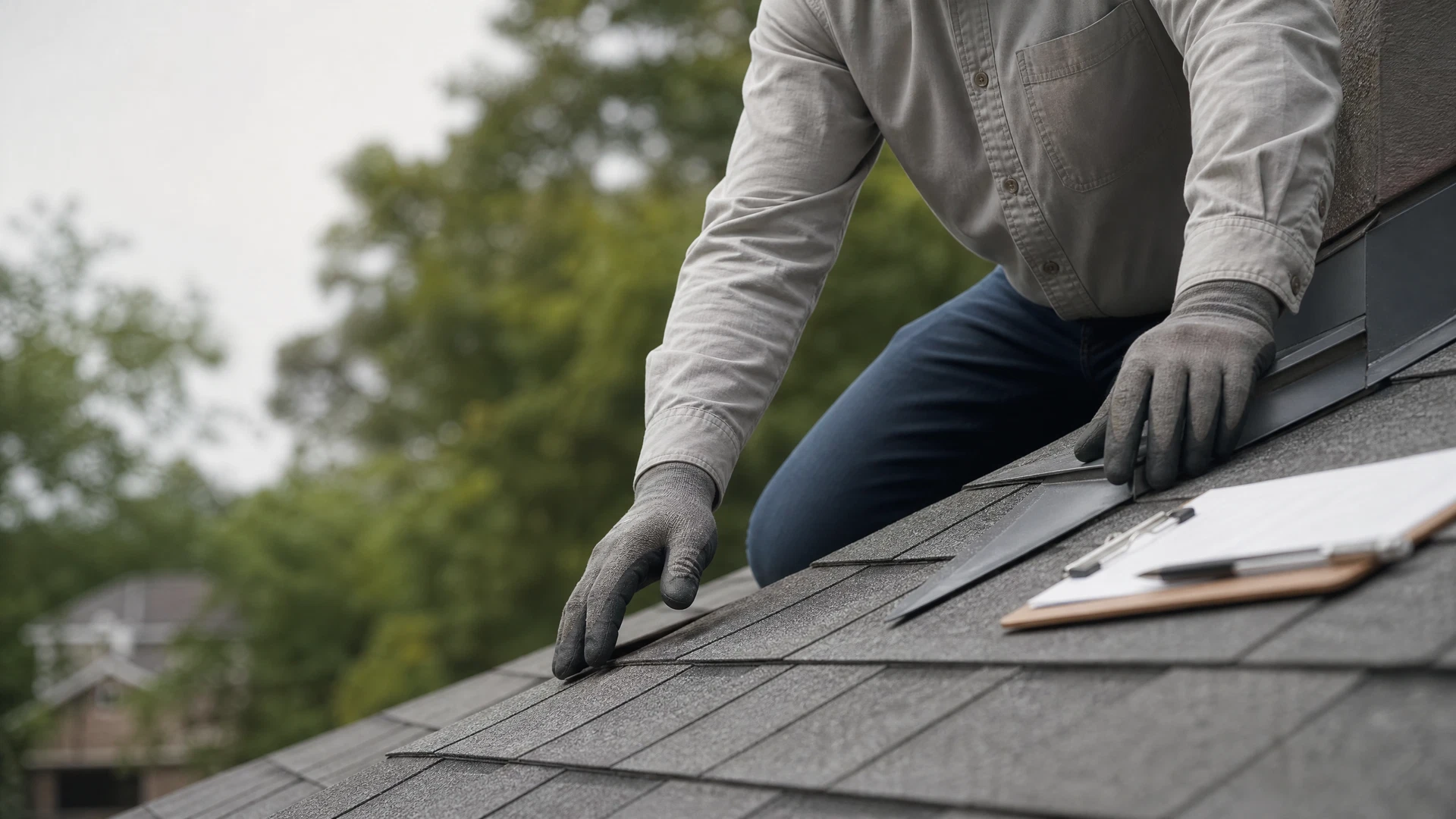
“Remember, your insurance company won’t pay for a new roof just because it’s old or worn out.”
— Texas Department of Insurance, “Insurance and your roof”
A roof insurance claim begins with the policy and the actual cause of loss, not with a contractor's promise. A storm, tree, or other covered event may create a claim; wear and age are treated differently. Review the declarations page, deductible, and policy language, then contact the insurer promptly when you believe a covered event has caused damage.
Preserve evidence safely
Texas Department of Insurance guidance recommends photographs and video, retaining damaged property until instructed otherwise, making temporary repairs to prevent more damage, and keeping receipts. Keep a simple record of who you contacted, when you spoke, and what documents you supplied. This record helps you communicate clearly without assuming the outcome.
Replacement cost and actual cash value are not interchangeable
TDI explains that some policies pay based on current repair cost while others account for an older or worn roof through actual cash value. Its guidance also notes that a carrier will not pay for a new roof merely because it is old or worn out. Ask your insurer how the policy applies to the claim rather than relying on general rules from a contractor or neighbor.
Compare the contractor's scope to the adjuster's report
Obtain multiple written bids, compare the materials and specific work, and ask questions where the scope differs. Do not sign blank documents. Do not agree to a deductible waiver. If the insurer requests proof of deductible payment, maintain the receipt or other records. A contractor can describe construction scope, but your insurer determines coverage under the policy.
Keep the decision trail
Save the claim number, photographs, estimates, adjuster report, correspondence, invoices, and completion documentation. If you disagree with an insurer's decision, TDI offers consumer resources and a help line. For individual legal questions, seek qualified legal advice rather than treating a general roofing guide as counsel.
Sources and further reading
Original sources are provided so you can review the complete guidance in context.
Next step
Ready to discuss a new roof?
Share the property basics and timing in a secure inquiry.